
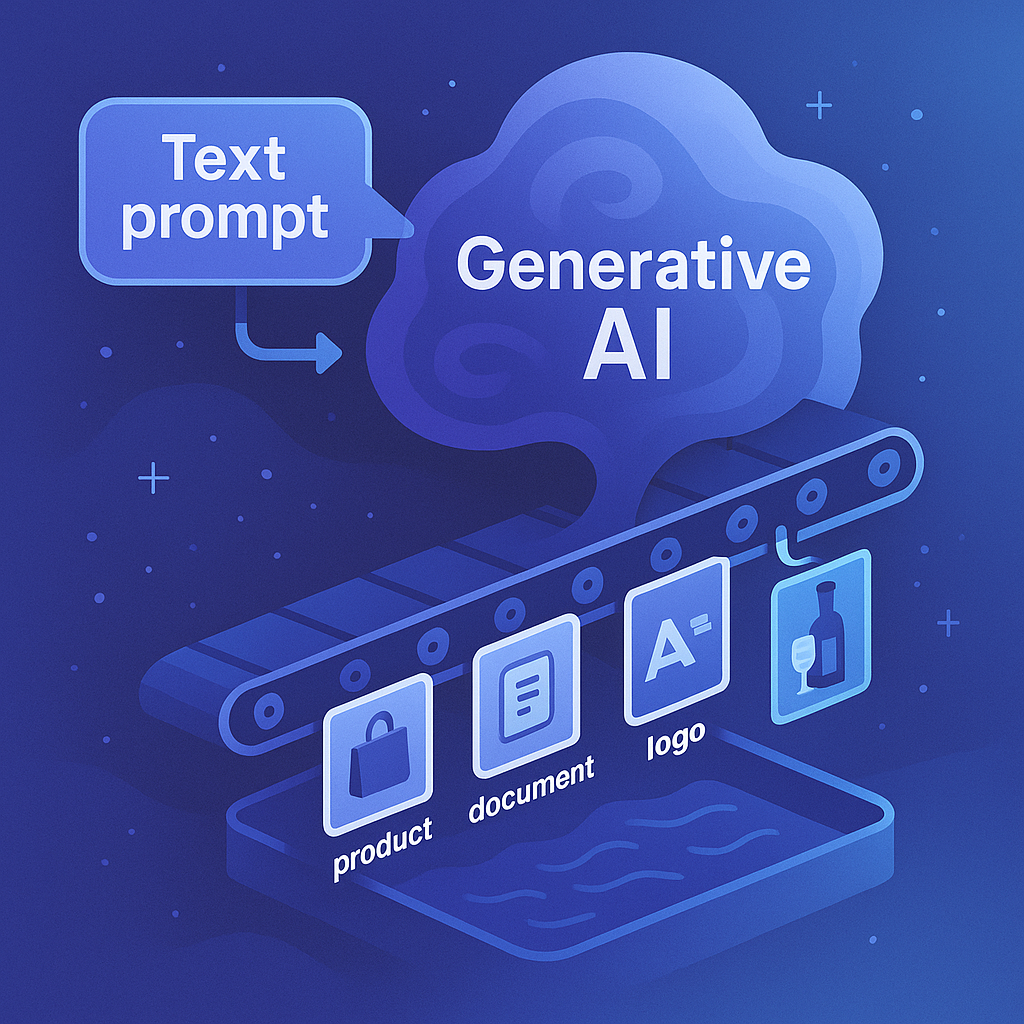
Generative AI Meets Vision: From Text Prompts to Training Data
Generative AI is rewriting the rules of computer vision. In minutes, text prompts now spin out millions of perfectly labeled images — fueling faster model training, slashing data budgets by 99 %, and sidestepping privacy roadblocks. This executive guide unpacks the market surge, the tech behind synthetic data, and the pragmatic playbooks that let leaders marry ready-made vision APIs with on-demand generation to turn pixels into profit.
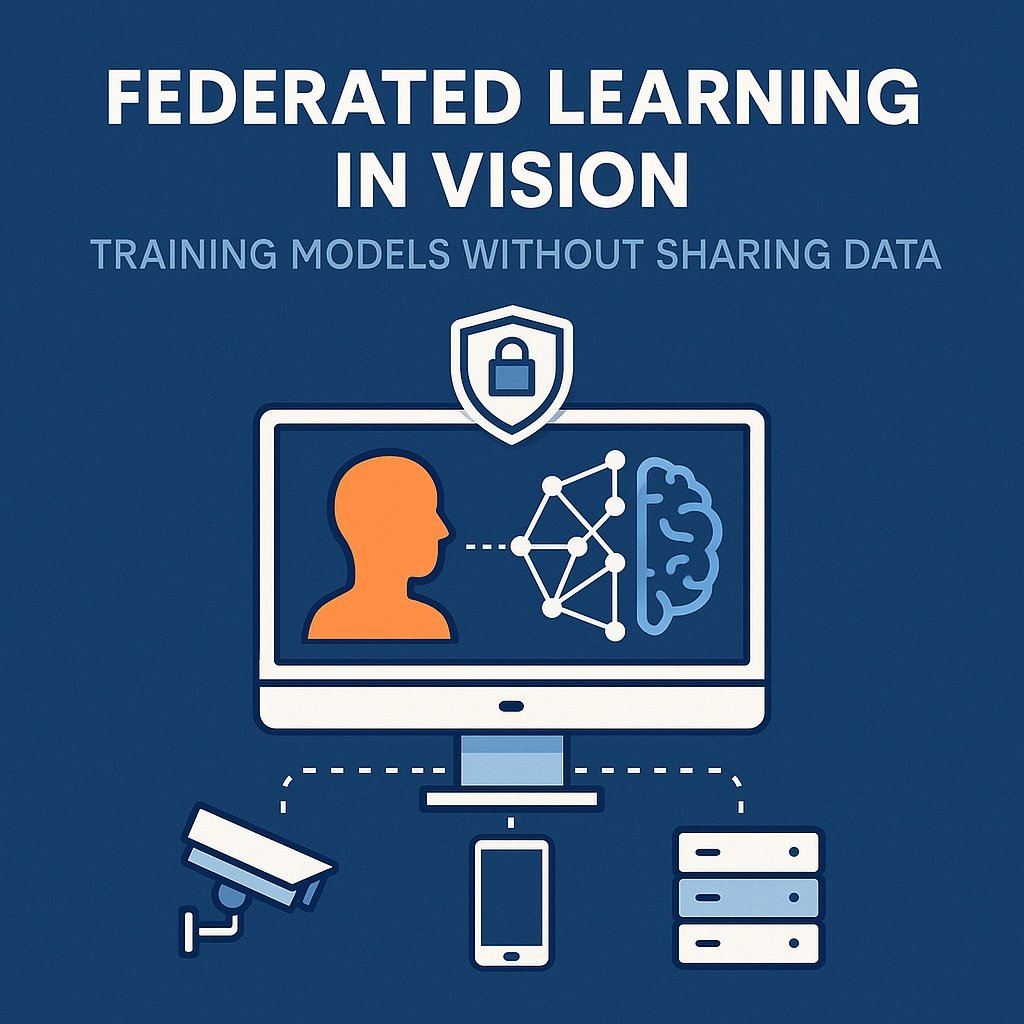
Federated Learning in Vision: Training Models Without Sharing Data
In a world where data privacy is both a legal requirement and a competitive differentiator, federated learning is emerging as a game-changer for computer vision. It allows organizations to train AI models across decentralized image data — without ever moving or exposing sensitive files. From retail shelf analytics and medical imaging to defect detection and autonomous driving, this privacy-first approach is enabling faster, safer innovation. In this post, we explore how federated learning works, where it’s delivering real ROI, and how C-level leaders can adopt it using a blend of ready-made APIs and custom solutions to stay ahead in the AI race.
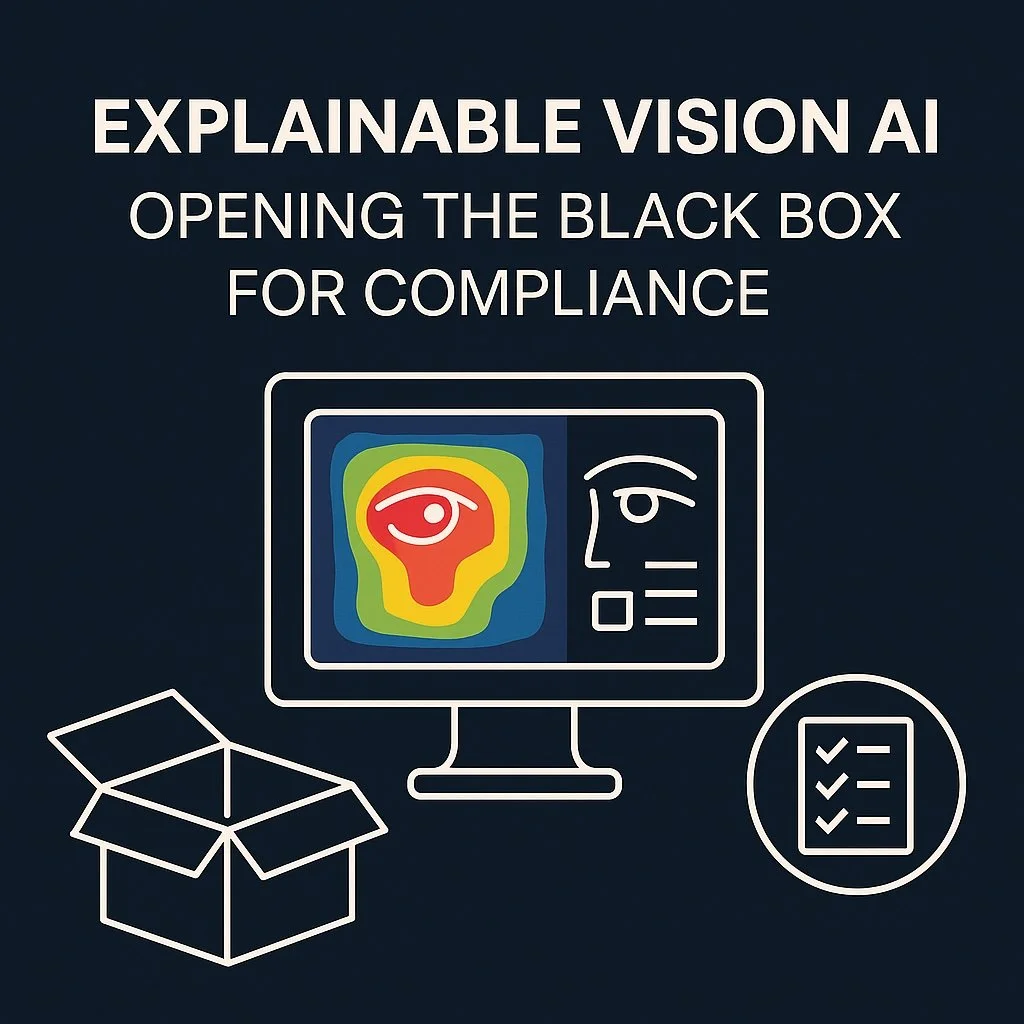
Explainable Vision AI: Opening the Black Box for Compliance
As AI-driven image analysis becomes central to business operations — from identity verification to brand monitoring — regulators and stakeholders are demanding more than just accuracy. They want transparency. In this blog post, we explore how explainable vision AI is transforming compliance from a reactive cost center into a strategic asset. Discover how modern techniques can open the black box of deep learning, reduce legal exposure, and build trust across your ecosystem — all while keeping your computer vision pipelines efficient and scalable.
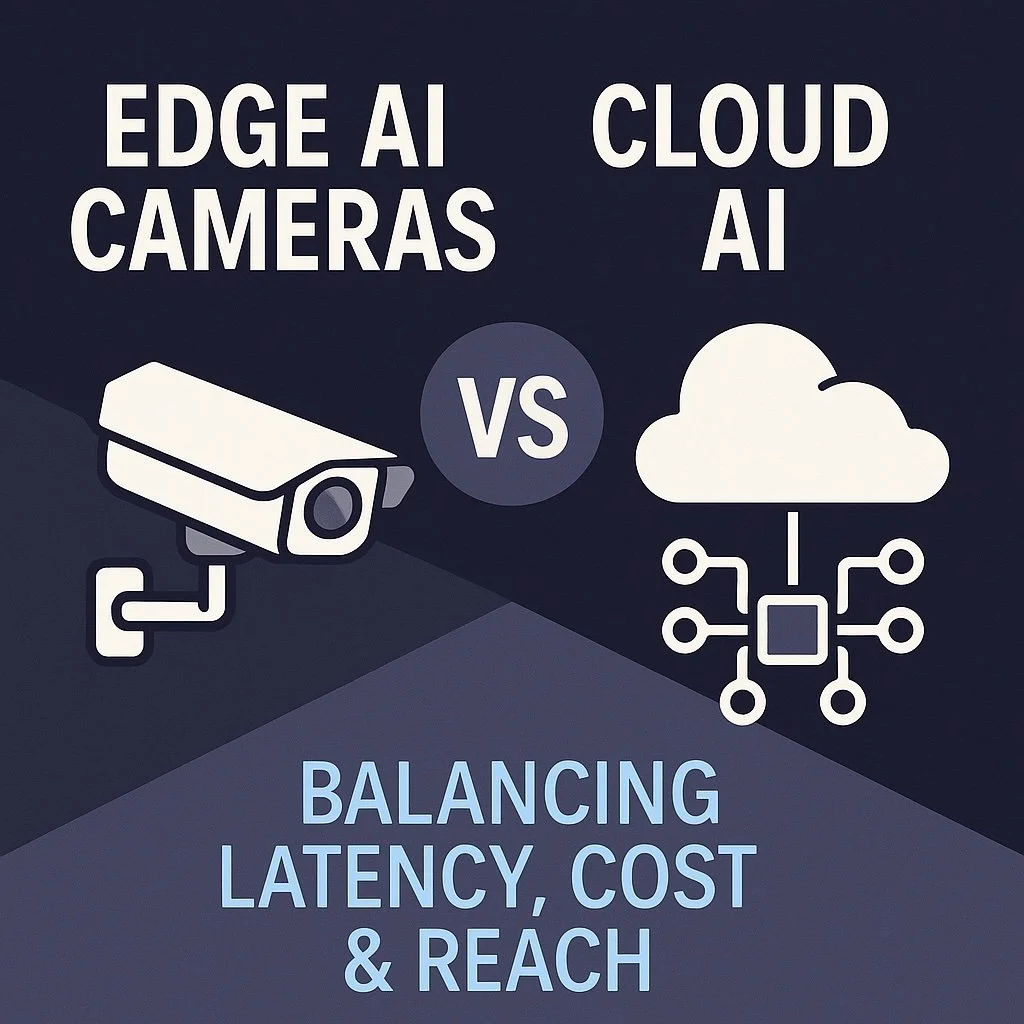
Edge AI Cameras vs Cloud: Balancing Latency, Cost & Reach
As AI becomes deeply embedded in everyday business operations, the debate between edge AI cameras and cloud-based processing is no longer limited to IT teams — it’s a strategic choice for the entire leadership. This post explores how to balance latency, cost, compliance, and scalability in real-world scenarios, offering C-level executives a clear framework for navigating AI deployment. Discover why hybrid architectures are emerging as the dominant model and how ready-to-use APIs for image labeling, OCR, logo recognition, and anonymization can accelerate your roadmap while controlling costs.

Synthetic Data for Vision: Scaling Without Manual Labels
Manual data labeling is one of the most expensive and time-consuming barriers to scaling computer vision — and it's no longer sustainable. Synthetic data offers a smarter alternative: algorithmically generated images with built-in annotations, enabling faster model development, lower costs, and full compliance with modern data privacy regulations. In this article, we explore how synthetic data is transforming industries like retail, manufacturing, and mobility, and why forward-thinking executives are adopting it as a core component of their AI strategy.

Vision Transformers 2026: State of the Art & Business Impact
Vision Transformers are redefining what’s possible in computer vision — and in 2026, they’ve moved from cutting-edge research into the heart of business operations. From automating defect detection in manufacturing to powering intelligent document processing in fintech, ViTs now deliver enterprise-grade accuracy, scalability, and adaptability. This article explores the state of the art, the architectural breakthroughs behind ViTs' rise, and how forward-thinking companies are deploying them through cloud APIs and custom solutions to gain measurable performance and strategic advantage.

NSFW API: Making Online Spaces Safer
In an era of explosive user-generated content and tightening global regulations, ensuring online safety is no longer optional — it’s a strategic imperative. This blog post explores how AI-powered NSFW detection is transforming content moderation across industries, from live streaming and e-commerce to cloud storage and AdTech. Discover how leading platforms are leveraging deep learning to automate explicit content filtering, reduce operational costs, and build user trust — fast. Whether you’re scaling a startup or protecting a global brand, the path to safer digital spaces starts here.
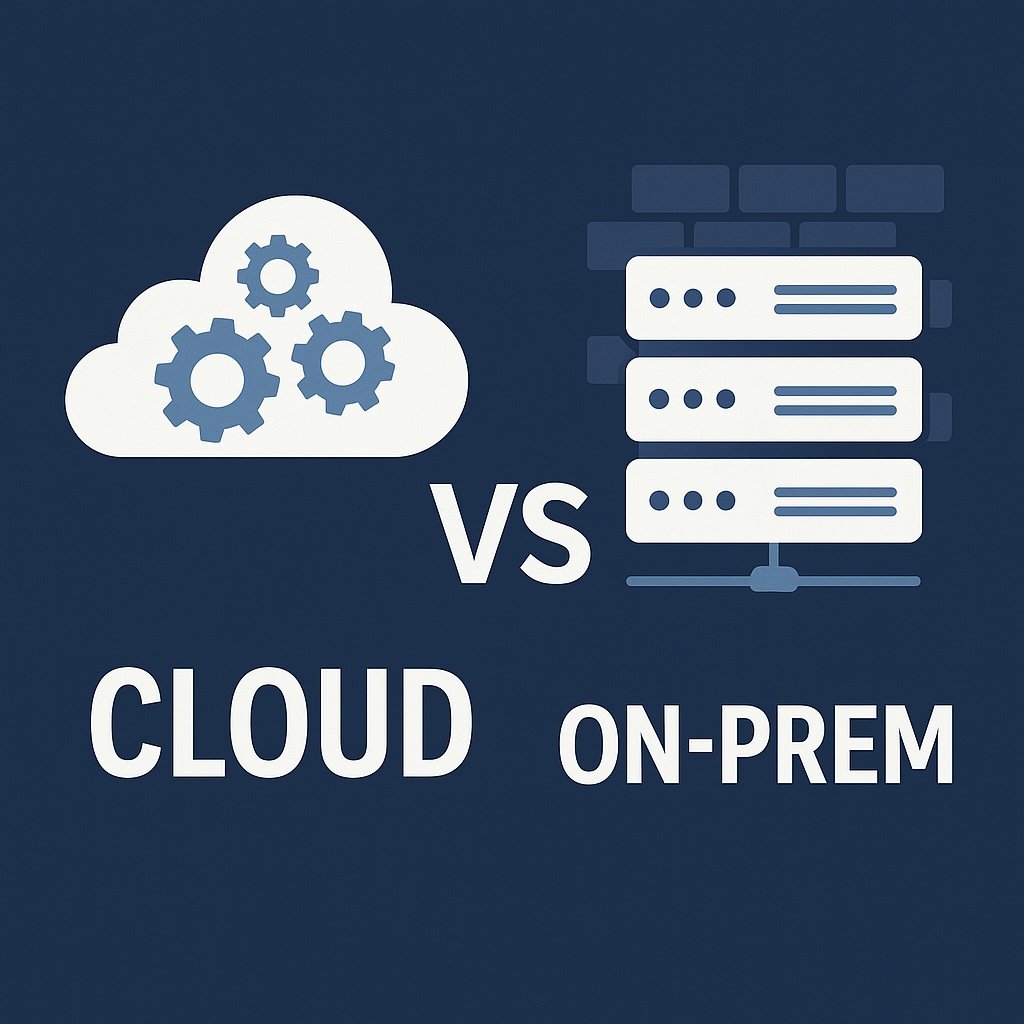
Cloud vs On-Prem: Which Is the Right Choice?
Cloud or on-prem? In 2025, this question is no longer just about infrastructure — it’s about innovation, speed, compliance, and cost strategy. As AI-powered image processing becomes integral to products and operations, C-level executives must weigh the trade-offs between agility, control, and long-term ROI. This post breaks down the key decision criteria, explores real-world deployment models, and reveals why hybrid strategies are becoming the blueprint for future-ready AI.

Build or Buy: How to Make the Right Choice
In today’s fast-paced digital landscape, organizations are under growing pressure to adopt AI-powered image processing. But when it comes to enabling computer vision capabilities, should you build a custom solution or buy a ready-made API? This post explores the strategic trade-offs, key decision criteria, and hybrid approaches that can help you make the right choice — faster, smarter, and with long-term value in mind.
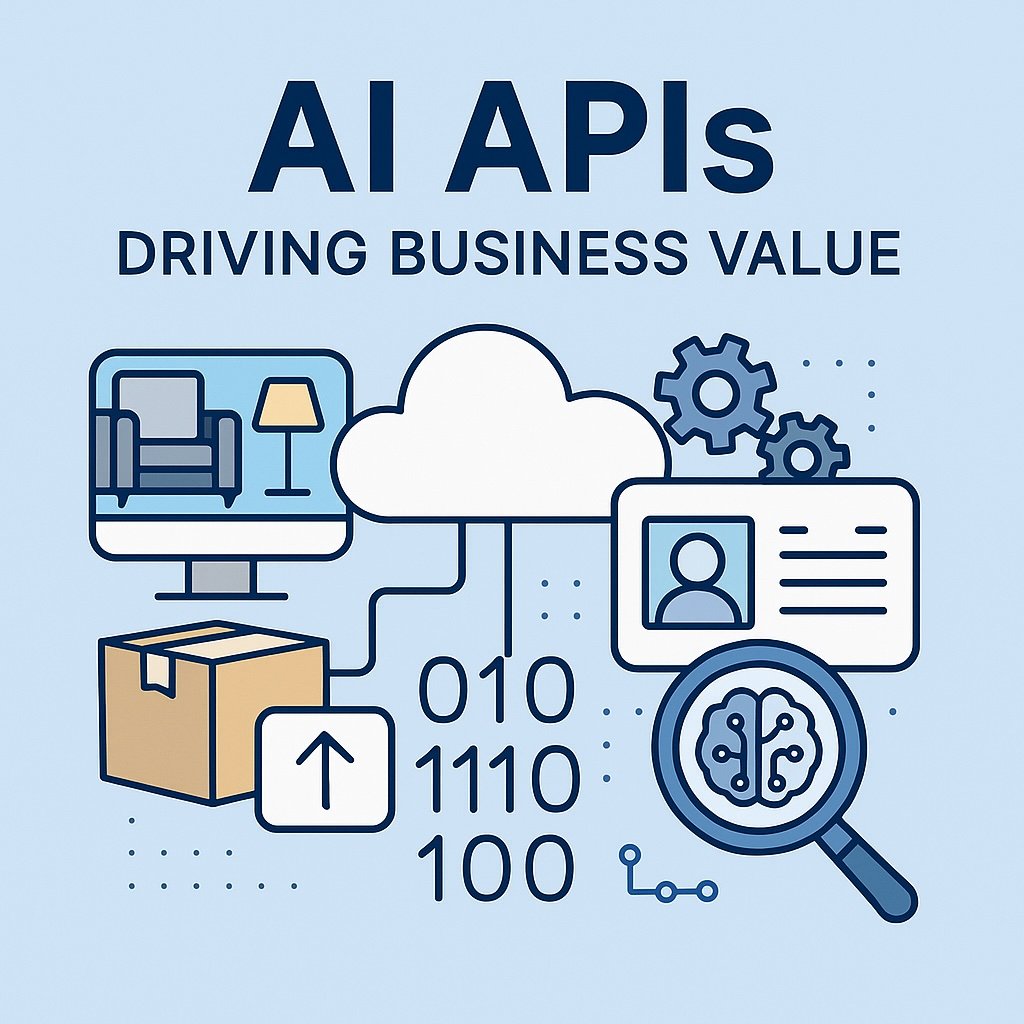
AI APIs: What They Are and Why They Matter to Business
AI APIs are changing the way businesses access and apply artificial intelligence — offering powerful features like image recognition, text extraction, and object detection through simple cloud-based interfaces. In this post, we explore what AI APIs are, how they work, and why they’re becoming essential for companies looking to innovate quickly, reduce costs, and scale smarter. Whether you’re in e-commerce, fintech, manufacturing, or media, discover how ready-to-use and custom AI solutions can unlock new value for your organization in 2025 and beyond.
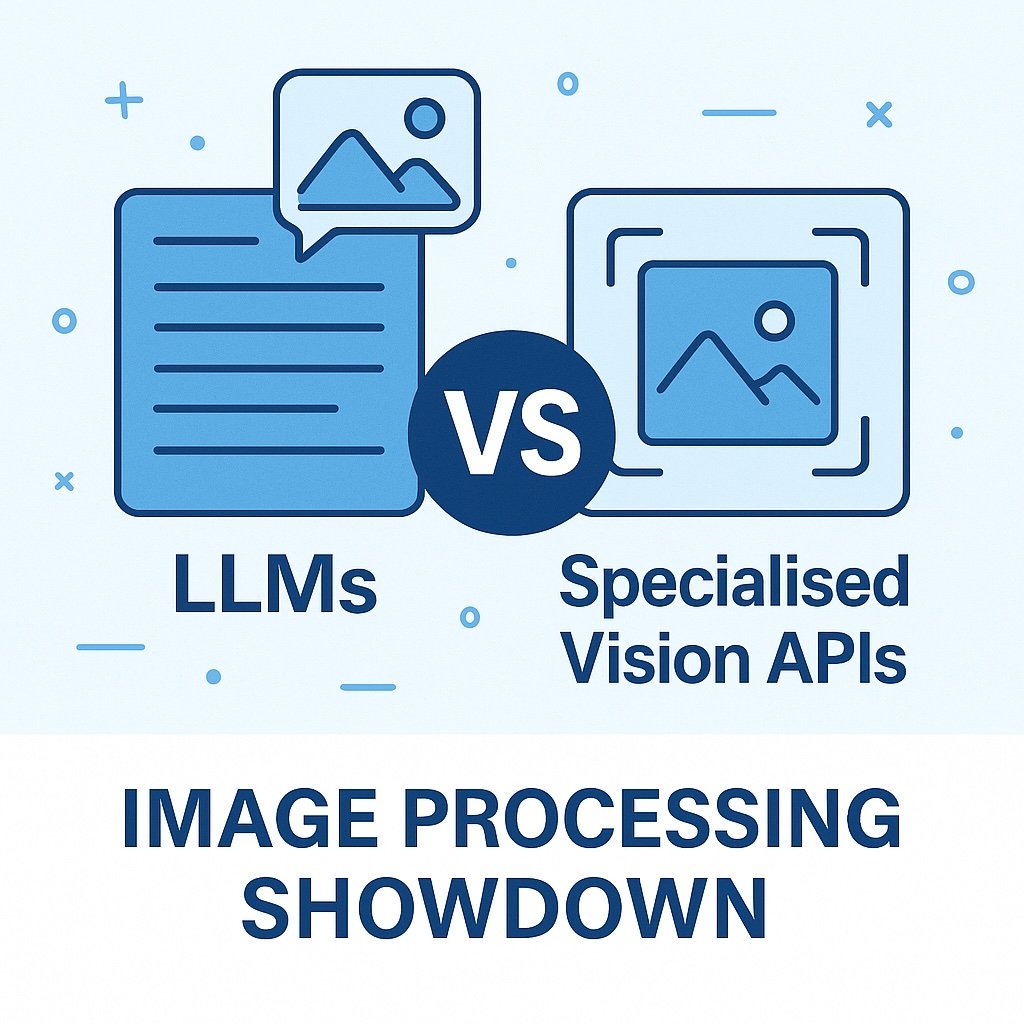
LLMs vs Specialised Vision APIs: Image Processing Showdown
As AI continues to transform the way we process visual information, a new question arises: should you rely on powerful multimodal large language models or stick with specialised vision APIs? This blog post explores the strengths, weaknesses, and ideal use cases for both approaches — and reveals why the smartest strategy may be to combine them. From automated product tagging to content moderation and document analysis, discover how to build more accurate, scalable, and cost-effective image processing pipelines using the right tools for the job.
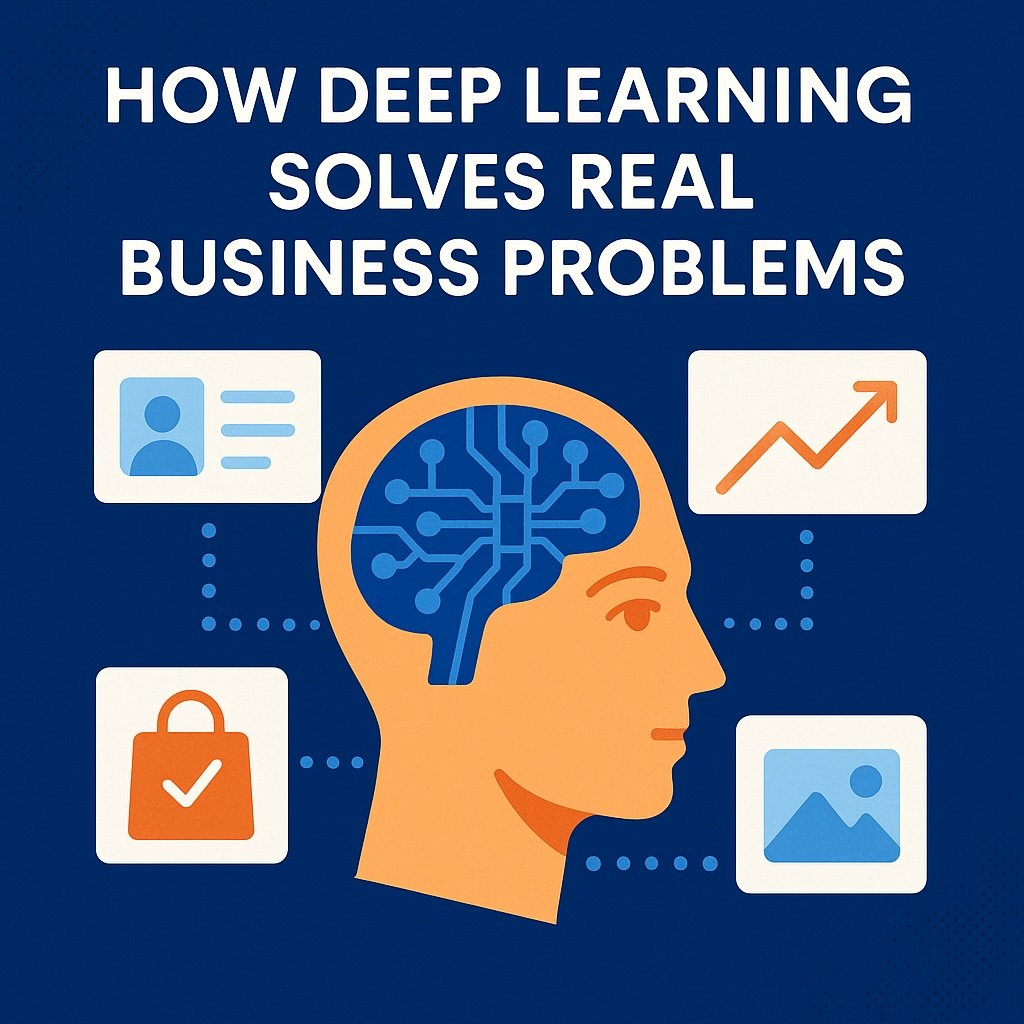
How Deep Learning Solves Real Business Problems
Deep learning is transforming the way businesses solve complex problems — from automating image analysis to extracting insights from unstructured visual data. In this post, we explore how companies across industries are using deep learning to boost efficiency, reduce costs, and unlock new value. Whether you're processing thousands of product photos, verifying documents, or detecting defects on a production line, discover how ready-to-use vision APIs and custom AI solutions can help turn your data into results.
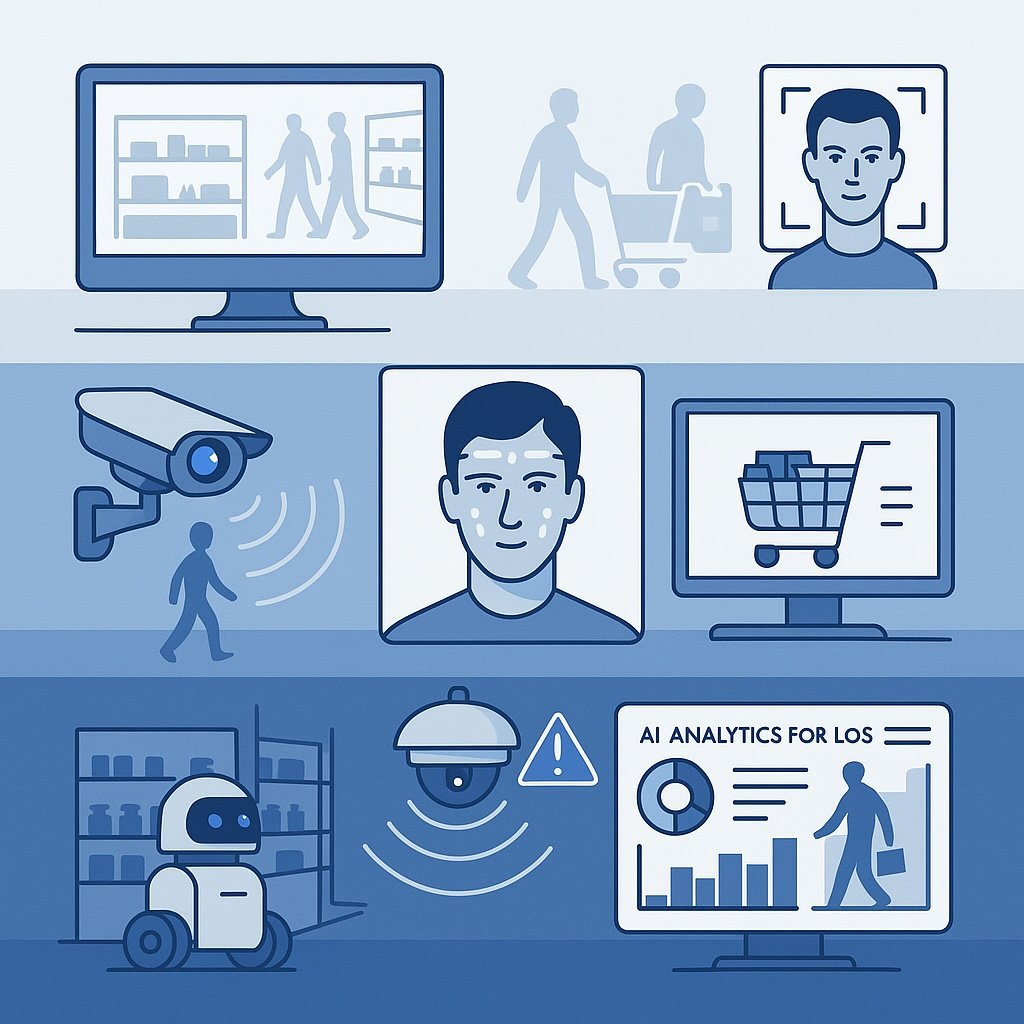
Computer Vision: Milestones, Trends & Future Insights
Computer vision has rapidly evolved from a research topic into a powerful business tool. In 2025, it's reshaping industries like retail, manufacturing, insurance, and content moderation by transforming images into actionable insights. This post explores the key milestones in computer vision's history, the six biggest trends driving its growth today, and a clear strategy for adopting vision technologies — from ready-to-use APIs to custom-built solutions. Whether you're looking to streamline operations, enhance customer experience, or gain a competitive edge, this guide will help you understand how to turn pixels into profit with AI-powered image processing.
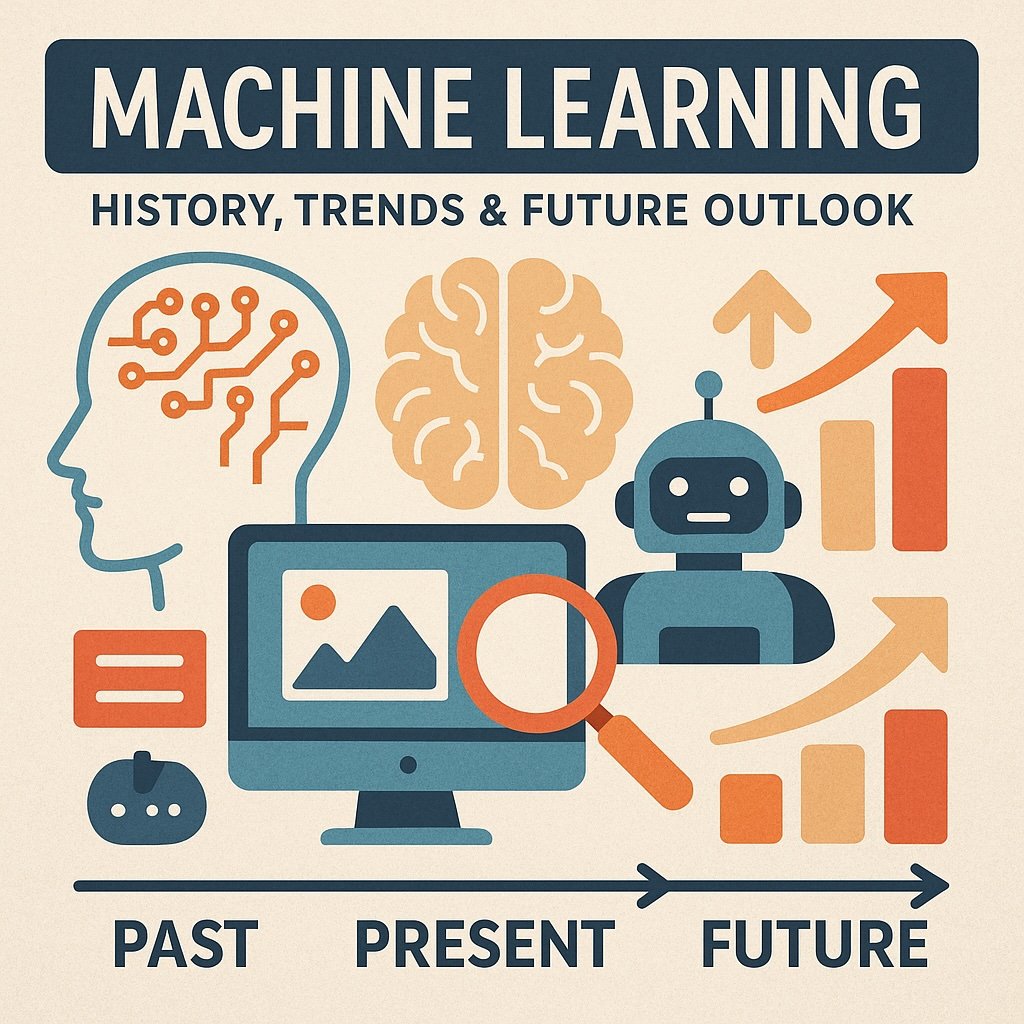
Machine Learning: History, Trends & Future Outlook
Machine learning has transformed from a niche academic field into a practical tool that powers everyday technologies — especially in image processing. From OCR and object detection to face recognition and visual content moderation, ML-driven vision APIs are helping businesses streamline operations, enhance user experiences, and meet regulatory demands. This blog post explores the history of machine learning, key trends shaping 2025, and how companies can strategically use pre-built APIs or invest in custom solutions to stay ahead. Whether you're just starting or scaling your AI capabilities, understanding this evolving landscape is key to making smarter decisions.

Computer Vision Technologies 2026: What to Expect
Computer vision is evolving faster than ever — reshaping how businesses interact with the visual world. From smarter retail displays and automated quality control to privacy-first AI and powerful image-to-text models, this year marks a turning point in how machines “see” and respond. In this post, we explore the top trends driving this shift, how industries are putting vision AI to work, and why combining ready-to-use APIs with custom development is the key to long-term success. Whether you're launching a new product or optimizing operations, understanding the future of computer vision starts here.

Photo-First Claims: 40 % Lower Handling Costs
Photo-first claims are transforming insurance — from multi-day paperwork and manual inspections to instant, AI-powered damage assessments. By using images captured on a smartphone and analyzing them with computer vision, insurers can cut claim handling costs by up to 40%, reduce fraud, and settle in hours instead of days. This blog post explores the step-by-step workflow, the key technologies behind it, and how insurers can begin their own journey toward faster, smarter, and more customer-friendly claims processing.

Auto-Tagging Photos: 3× Faster Catalog Updates
In the fast-paced world of e-commerce, keeping product catalogs updated quickly and accurately is key to staying competitive. Manual image tagging can slow down catalog updates, leading to missed SEO opportunities and frustrated customers. AI-powered auto-tagging offers a game-changing solution by automating the process, making catalog updates up to 3x faster. This not only boosts SEO rankings and improves customer experience but also reduces operational costs. As AI continues to evolve, it brings even more benefits, such as advanced recognition capabilities and seamless integration across multiple sales channels. In this post, we explore how AI-driven auto-tagging can help businesses enhance efficiency, increase visibility, and drive growth in the digital age.

Green Manufacturing Scores via Defect-Free Vision
AI-powered vision inspection is helping manufacturers cut defects, reduce waste, and hit sustainability targets — all without major overhauls. By catching flaws in real time, factories save energy, materials, and money while improving ESG scores. This post explores how cloud-based vision APIs and smart deployment strategies make defect-free, greener production not only possible — but profitable.

Turning Store Traffic Footage into Marketing Insights
In-store cameras are no longer just for counting people — they're becoming powerful tools for understanding shopper behavior. By analyzing how long customers dwell at displays, which products they interact with, and how store layouts influence decisions, retailers can unlock insights once limited to e-commerce. This post explores how modern computer vision turns everyday footage into data-driven marketing decisions that boost engagement and conversion — without compromising customer privacy.

Instant Age Verification for Online Sales
Age verification doesn’t have to slow down your sales. With AI-powered selfie-and-ID matching, online stores can approve age-restricted purchases in seconds—no manual review needed. This means faster checkouts, fewer abandoned carts, and full compliance with global regulations. In this post, we break down how instant age verification works, the technology behind it, and how businesses can integrate it using ready-made APIs or custom solutions.